Article: Why Natural Fibres Matter: Choosing Better Materials for a More Thoughtful Wardrobe
Why Natural Fibres Matter: Choosing Better Materials for a More Thoughtful Wardrobe
There is something special about natural fibres. Perhaps it’s the way wool feels warm without feeling heavy, the softness of cotton against a baby’s skin, or the way linen becomes softer and more beautiful with every wash. Natural fibres have been part of the clothes we wear for thousands of years, long before synthetic fabrics transformed the fashion industry.
Natural fibres have always been a non-negotiable for The Faraway Gang for many reasons, and a key part of creating clothes that are made to be loved, worn and passed on.
What do we mean by natural fibres?
Natural fibres come from plants or animals rather than being manufactured from fossil-fuel-derived synthetic materials.
Some of the most familiar include:
- Wool – including merino wool, one of our favourites for knitwear
- Cotton – soft, breathable and wonderfully versatile
- Linen – made from the flax plant and particularly good for warmer weather
- Hemp – strong, durable and naturally breathable
- Alpaca and cashmere – wonderfully soft animal fibres with excellent insulating properties
Synthetic fibres such as polyester, acrylic, nylon and elastane are made differently. They can have useful properties, but they are essentially plastics, and their production and disposal come with environmental considerations.
For me, choosing natural fibres isn't about claiming that one material is perfect. It's about making more thoughtful choices about what we wear, we buy, how long it will last and ultimately what happens to it at the end of its life.
Natural fibres can make better clothes
One of the biggest reasons I love natural fibres is simply because they make beautiful clothes.
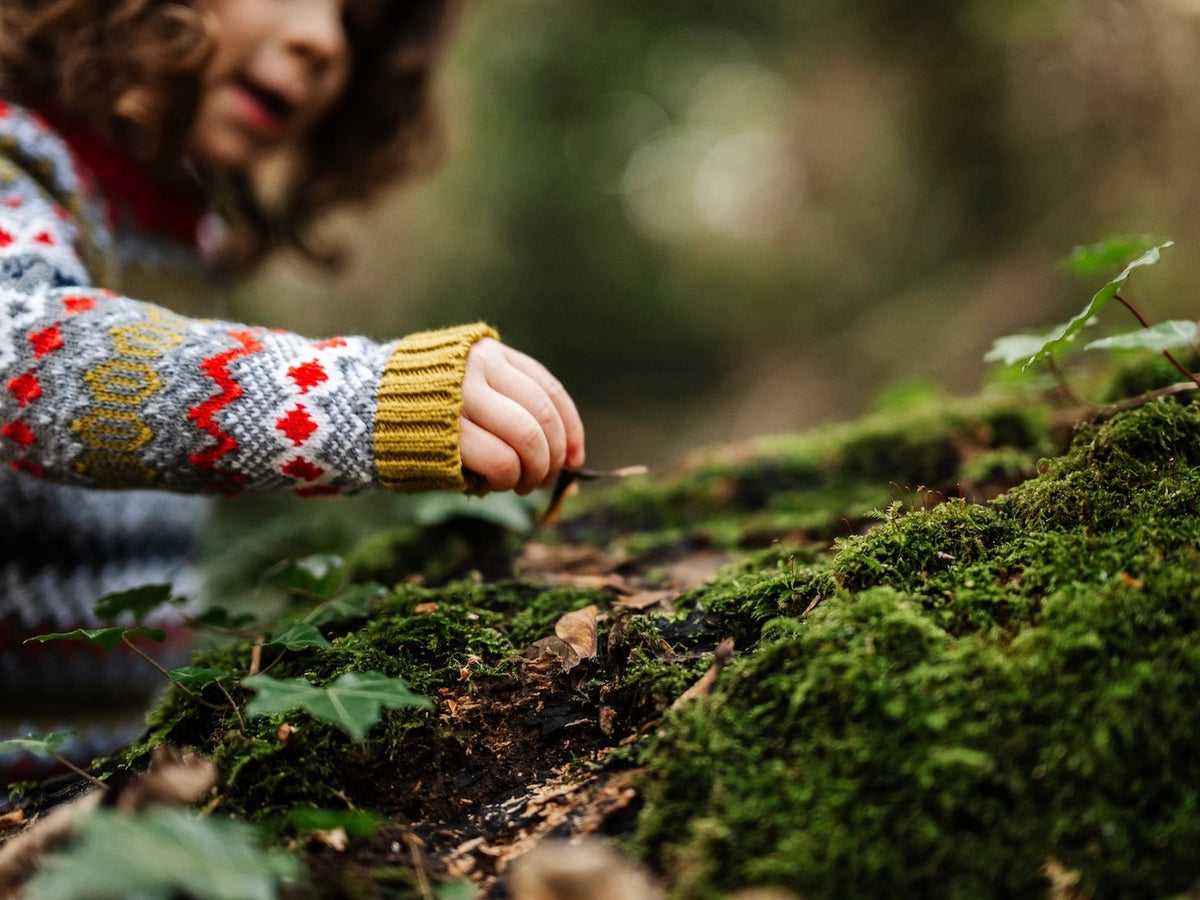
Wool has a remarkable ability to regulate temperature. It can keep you warm when it's cold while remaining breathable when temperatures rise. Merino wool, in particular, has a softness that makes it lovely against the skin. This was always the number one choice for my childrenswear collection.
And then there is the feel. Natural fibres have character. They have texture, movement and warmth that can be difficult to replicate. A beautifully knitted wool jumper is a thing of beauty. Man-made alternatives can often have a limpness which just increases as they are worn and washed.
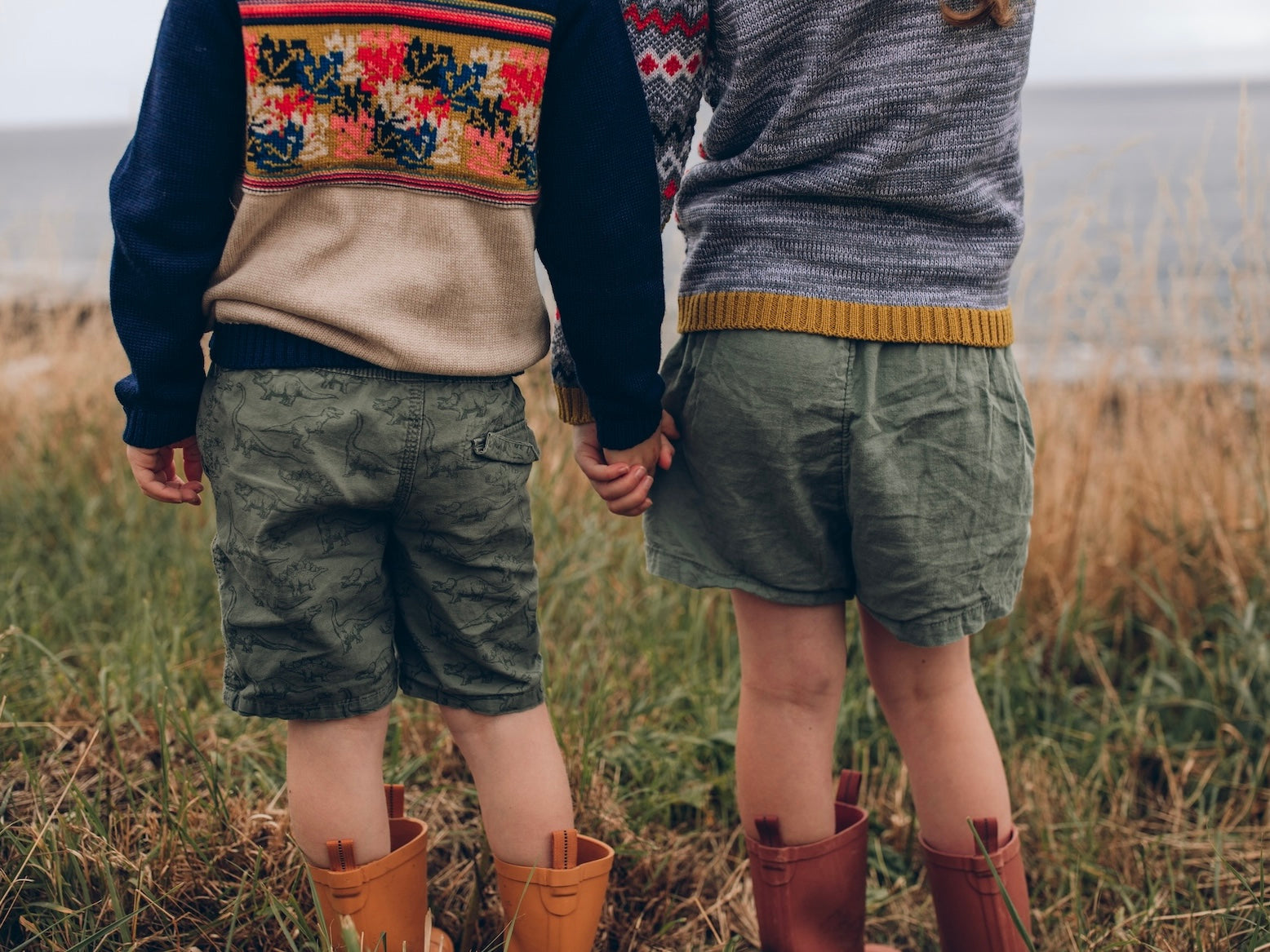
They can also be incredibly hard-wearing. It might seem counterintuitive that something as soft as wool can also be incredibly durable, but good-quality natural fibres can be remarkably resilient. Wool fibres have a natural elasticity which helps knitted garments recover their shape. With sensible care, a well-made wool jumper can be worn for years. And that's where the idea of slow fashion comes in.
For me, sustainability isn't simply about buying something made from a particular fibre. It's about buying fewer things, choosing well and looking after them. A jumper that is worn dozens, or hundreds, of times is a much more meaningful purchase than one that is bought cheaply, worn twice and forgotten.
Natural fibres have a beautiful life cycle
There is another reason natural fibres appeal to me: they come from nature. Wool comes from sheep. Cotton comes from a plant. Linen comes from flax. That doesn't mean their environmental impact is automatically zero. Agriculture requires land, water and energy, and different fibres have very different environmental footprints depending on how they are grown, processed and produced.
But natural fibres do have an important advantage at the end of their useful life: unlike synthetic fibres, many can biodegrade under the right conditions rather than remaining as plastic for a very long time. That makes the whole life cycle of a garment worth thinking about, from the moment the fibre is grown or produced, right through to the moment the garment is eventually no longer wearable.
What about microplastics?
This is one of the biggest reasons I think the choice between natural and synthetic fibres deserves more attention. When synthetic clothing is washed, tiny plastic fibres can be released into wastewater. These are commonly referred to as microfibres or microplastics. Natural fibres can shed fibres too, of course, but the key difference is that natural fibres are biodegradable, whereas synthetic fibres are plastic-based.
It's one small example of how the decisions we make when buying clothes can have consequences beyond our wardrobes.
The beauty of buying less, but better
Choosing natural fibres doesn't mean replacing everything in your wardrobe with something new, but when we do buy new we can consider some key questions.
What is it made from?
How well is it made?
Will I still love it in five years?
Can it be repaired?
Can someone else wear it when I've finished with it?
What will happen to it when it can no longer be worn?
These questions are at the heart of slow fashion.
Natural doesn't mean perfect, and that's okay
There is no single perfect fibre, perfect garment or perfect way of making clothes. Even natural fibres have environmental impacts, and wool production, for example, involves farming practices that can vary enormously. But I don't think that means we should give up trying.
Instead, we can make better choices where we can.
Choose quality over quantity.
Choose natural fibres when they make sense.
Look after what you already own.
Repair rather than replace.
Buy preloved.
Make something yourself.
Pass things on when you've finished with them.
Small choices, repeated over time, can make a difference.